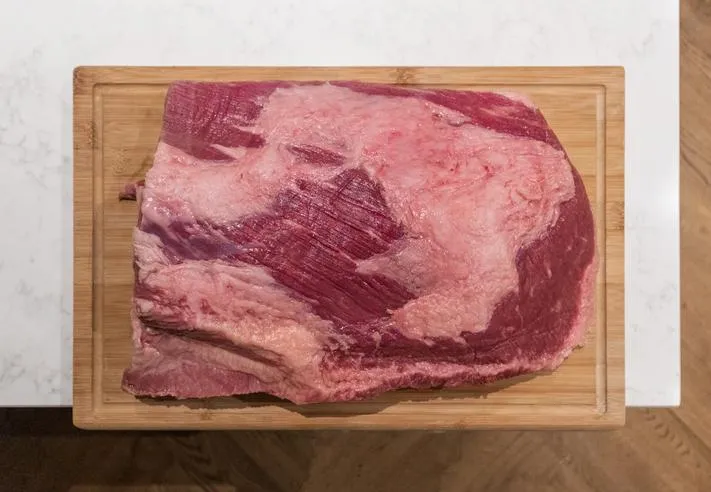
🔪 Featured Cut of the Week: Brisket
The King of Patience, Bark, and Barbecue Glory
If there’s one cut that separates the casual cook from the pitmaster, it’s brisket. No other meat demands such a blend of time, technique, and trust in your process. This week, we’re keeping all eyes on this majestic slab of beef—thanks to the firestorm of interest from our online class, where brisket stole the show.
From full packers to trimmed flats, the brisket is a cut that invites questions—and delivers big when handled right. So let’s slice deep into what makes brisket a legend in the smoke world, and how to make it shine in your own pit.
🐄 What is Brisket, Exactly?
Brisket comes from the lower chest or breast of the cow, right above the front legs. It's a hardworking muscle, loaded with connective tissue and marbling that needs low and slow cooking to break down. It’s also massive—usually 12 to 20 pounds for a full packer—and includes two distinct muscles:
The flat (deep pectoral): Leaner, wider, great for slicing.
The point (superficial pectoral): Fattier, juicier, and packed with flavor.
A full packer brisket has both, often connected by a thick seam of fat. Trimming and managing that fat is key to balancing moisture and flavor.
🔪 Brisket Trimming 101
Let’s get this out of the way: brisket doesn’t come ready-to-cook. It needs love before it ever hits the smoke.
Trim the fat cap to about ¼ inch—thick enough to protect, thin enough to render.
Remove hard fat that won’t break down. This is especially common where the point and flat meet.
Square off edges to promote even cooking and help bark formation.
We walk through this in detail during our classes, but the general rule is: if it won’t render, trim it. If it’s uneven, shape it. A well-trimmed brisket cooks better and slices cleaner.
💨 The Low & Slow Game
Brisket thrives in the 225–275°F range. The smoke bath is what sets it apart from any oven roast. Here's a tried-and-true breakdown:
🧂 Rub It Right
Texas-style brisket goes salt and pepper—and that’s it. Many folks add garlic, paprika, or a hint of cayenne. We’re fans of a coffee-infused rub that builds serious bark and depth.
🔥 Pick Your Wood
Brisket loves hardwoods. Oak, hickory, and post oak are all top-tier. Keep your smoke clean and blue—thick white smoke equals bitter bark.
⏱ Trust the Stall
Brisket will stall around 160–170°F as moisture evaporates from the surface. Don’t panic. You’ve got two options:
Ride it out for max bark.
Use the Texas Crutch (wrap in foil or butcher paper) to power through.
We lean toward butcher paper—it protects the bark while speeding up the cook.
🌡 Internal Temps & Texture
Forget “time per pound.” Brisket isn’t done when it’s hot—it’s done when it’s probe tender, usually around 200–205°F internal. A thermometer should slide in like it’s poking warm butter.
Even more important: rest it. Let it sit in a cooler or cambro, still wrapped, for 1 to 2 hours. This redistributes juices and gives you that perfect, juicy slice.
🪵 Bark, Smoke Ring & Bragging Rights
Brisket has two major style trophies:
The Bark: That dark, crusty edge packed with rub, smoke, and rendered fat. A good bark should crack when you bend it and flavor every bite.
The Smoke Ring: That pink halo under the bark, formed when nitric oxide from burning wood binds with the meat’s myoglobin. It’s visual proof of real wood-fired cooking.
If your brisket has both, you’ve earned bragging rights at any cookout.
🍽 How to Serve Brisket Right
The key rule? Slice against the grain. On a full packer, that means slicing the flat until you reach the point, then rotating and slicing the point separately. This keeps each piece tender and avoids chewy bites.
Serve it thick for sandwiches, thin for platters, and always with:
Pickles & onions (Texas classic)
Sliced white bread
Simple slaw or potato salad
🧠 Common Brisket Questions We Got in Class
Q: How do I keep it moist without wrapping too early?
A: Try a light spritz with apple cider vinegar or beef broth every hour after the first three hours.
Q: Can I separate the flat and point before cooking?
A: You can, but cooking them together helps maintain moisture and makes slicing cleaner later.
Q: Why did my brisket come out tough?
A: Most likely, it was undercooked. Brisket needs to fully break down collagen—don’t pull it before it hits probe-tender.
🧢 Final Thoughts from the Pit
Brisket is the test. It’s the cut that’ll humble you, then hook you. But when you nail it—when that first slice bends and breaks just right, when your guests go quiet with that first bite—there’s nothing like it.
So whether you’re cooking for a backyard bash or fine-tuning your comp ribs and brisket, remember: slow is smooth, and smooth is smoky.
You can catch the full brisket class replay for free on our site right now. And if you’re craving even more—brisket trimming labs, rub workshops, or wrapping technique breakdowns—just say the word.
